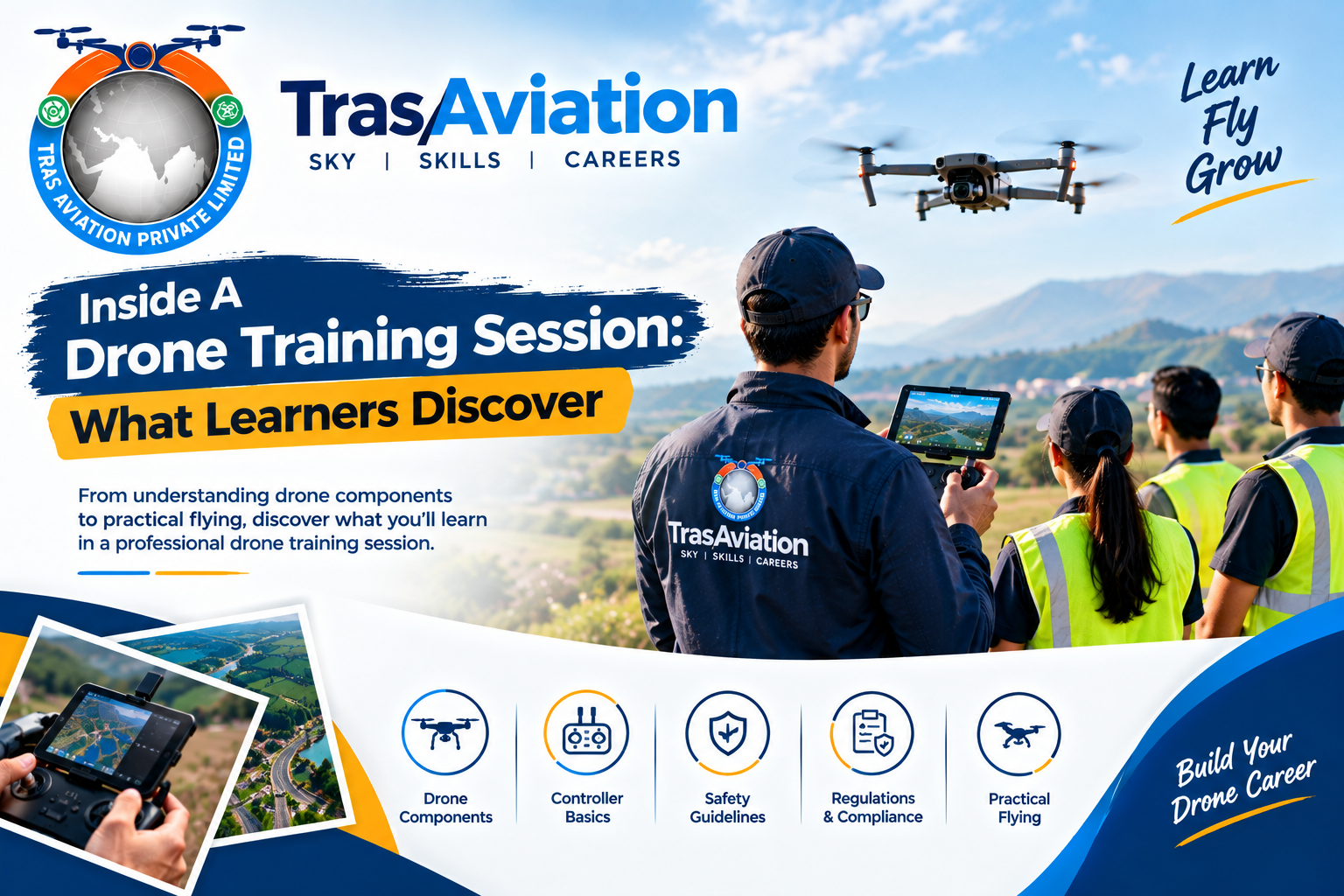
Drones are no longer just toy gadgets. They have found their way into photography, surveying, mapping, farming, inspection, construction, and several other professional fields. This popularity has prompted more and more individuals to enroll in drone training to gain the skill to operate the gadgets professionally.
But what happens during a drone training session?
To someone who has just entered the world of drone operation, learning how to operate a drone can be a bewildering experience. Do you learn to fly the drone first, or do you learn more about the gadget before anything else? Does the course focus only on getting the students to operate the drone, or are there other aspects to the course?
The basic concept of any drone training is to include classroom sessions and practical sessions. You do not learn about flying at the beginning. That is because drone operation includes understanding how the aircraft works, its controls, and situations it can find itself in.
You can discover the different aspects of being a drone pilot at a beginner-friendly institute like Tras Aviation.
What You Will Discover About Drones During Training?
You begin your journey of learning to operate a drone by discovering what a drone actually is. During the initial sessions, you will learn about the basic components which make up a drone:
- Motors
- Propeller
- Flight controller
- Battery
- GPS
- Remote control
- Sensors
- Camera and other load-bearing components
Understanding the basic components helps you understand, for instance, how a throttle stick and roll stick on the remote actually bring about movements in the drone. It is the combination of several components which allow the drone to rotate, move forward or backward, move left or right, and even climb or move down.
You will find this aspect of drone training very important as you move on to the practical session of flying the gadget.
Learning About The Drone Controller
Another key aspect of drone training for a beginner is learning what the controller does. The remote controller for a drone consists of different sticks which control different functions. You will discover how to operate the:
- Throttle – controls the forward and backward movement of the drone
- Yaw – controls the rotation of the drone on its vertical axis
- Pitch – controls the forward and backward movement of the drone
- Roll – controls the left and right movement of the drone
The remote controller also contains push-buttons which allow you to adjust the function of the drone. It may take some time to develop a sense of what each stick and button does. However, instructors will generally begin by allowing you to practice simple controls.
Safety Before Taking Off
One of the most important aspects of any drone training, at any level, is the safety aspect. You need to understand what to do and what not to do when operating a drone.
Safety considerations during drone flight include:
- The immediate environment of the drone
- Weather
- People and objects around the drone
- The power source or battery of the drone
The drone operator must always be constantly aware of the situation and avoid potentially dangerous situations. As a beginner, you are more likely to be involved in mishaps as a result of not understanding the implication of every activity during drone operation.
During the safety session, you will also learn:
- How to prepare the drone for flight
- Inspection procedure
- How to conduct a pre-flight check
- How to avoid unnecessary risks
- How to deal with dangerous situations
- How to comply with drone regulations
- Landing procedures, among others
Understanding Regulations Governing Drone Operation
The regulations governing the operation of a drone vary depending on the drone class and the intended use of the drone. Regulation and guidelines set the legal framework for a responsible drone pilot.
Regulation covers registration of a drone, registration of the pilot, pilot examinations, restrictions on where, when, and how a drone can be operated, and other associated procedures.
Formal DGCA Approved Drone Aeromodelling Course can be a good start to your drone career if you are willing to take it seriously.
Practical Flying: The First Session
Practical flying is always the most anticipated session for a beginner. You will always begin the practical session by going through a briefing and demonstration. The instructor will help you get familiarized with the remote controller before asking you to put the knowledge you gained in the classroom into practice.
Your first practical session can begin with very simple controls, including but not limited to:
- Powering on the drone
- Taking off
- Hovering
- Moving forward and backward
- Moving left and right
- Rotation of the drone
- Landing
Flying forward and backward or even rotating the drone may appear to be a challenge before you get a sense of the controls. You develop this sense through extensive practical training.
Learning To Handle Different Situations
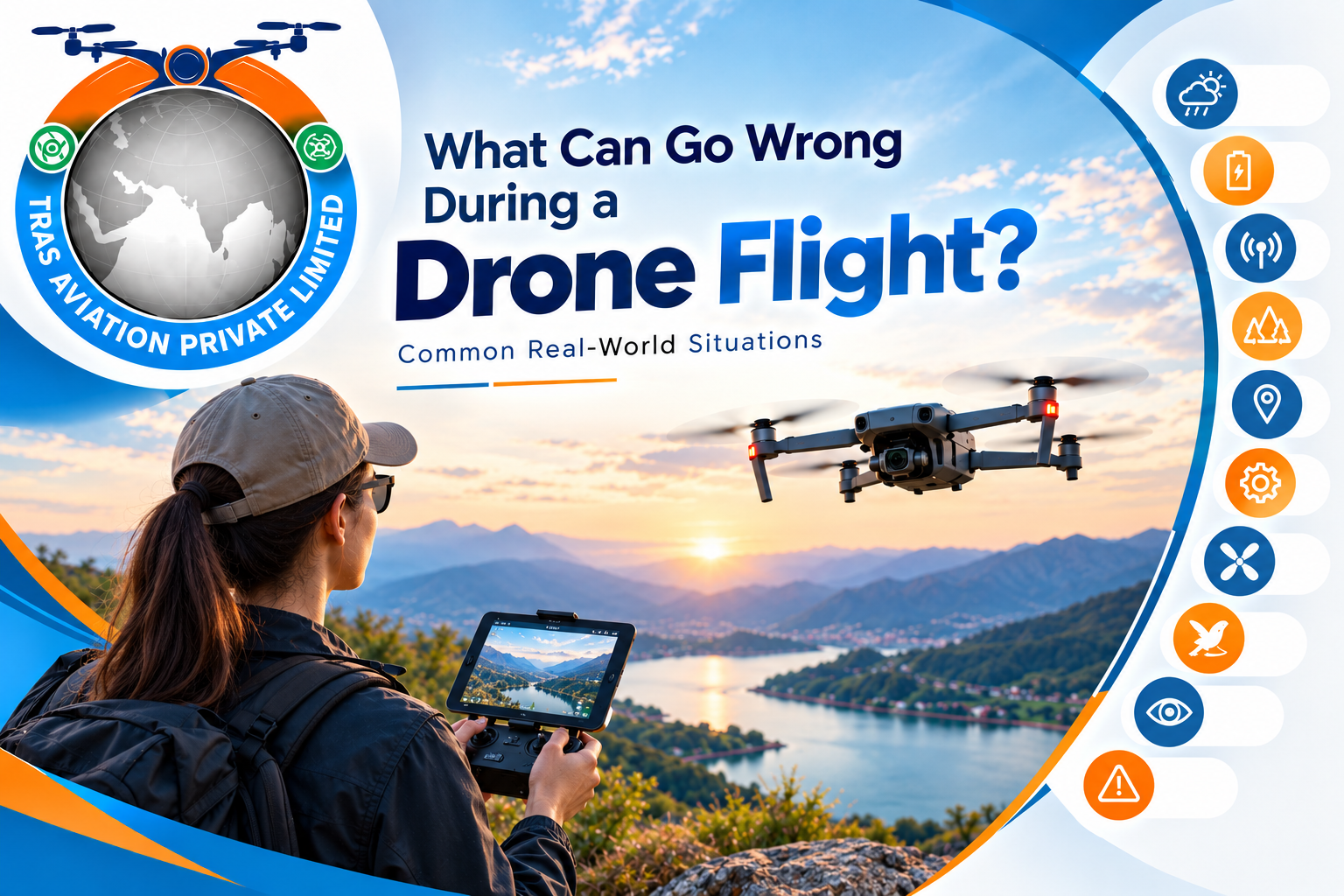
Another important aspect of drone training for a beginner is learning how to handle all sorts of situations. For instance, you will learn the best way to deal with:
- A low battery warning
- A malfunctioning GPS
- Poor communication link between the controller and the drone
- Strong winds
- Obstacles
All these things can happen anytime in real-life drone operation. However, the best way to deal with them is by learning how they occur and how to prevent them or handle them if they do occur.
Understanding Pre-Flight Procedure
Before every drone flight, a drone pilot must conduct a pre-flight procedure. The procedure entails a detailed inspection of the drone.
The inspection includes the body, rotors, propeller blades, motor, and the battery. You will also need to inspect the remote controller, GPS, and the drone’s surrounding environment.
You should always make it a habit to do a pre-flight procedure before any flight, as it helps you discover a problem beforehand. A little time spent doing the pre-flight procedure can save you a lot of time and trouble.
Basic Flight Planning
During flight planning, you will learn the basic questions a pilot should consider before taking off with the drone. The questions include:
- Where do I intend to take off the drone?
- Where do I intend to fly the drone?
- What obstacles might I encounter?
- What weather conditions do I anticipate?
- How long will the battery last?
- What should I do if something goes wrong?
- What are my flight objectives?
By answering these questions, you also learn the value of flight planning. It is very important to conduct a flight plan before every flight to ensure smooth flight operations.
Understanding Different Drone Applications
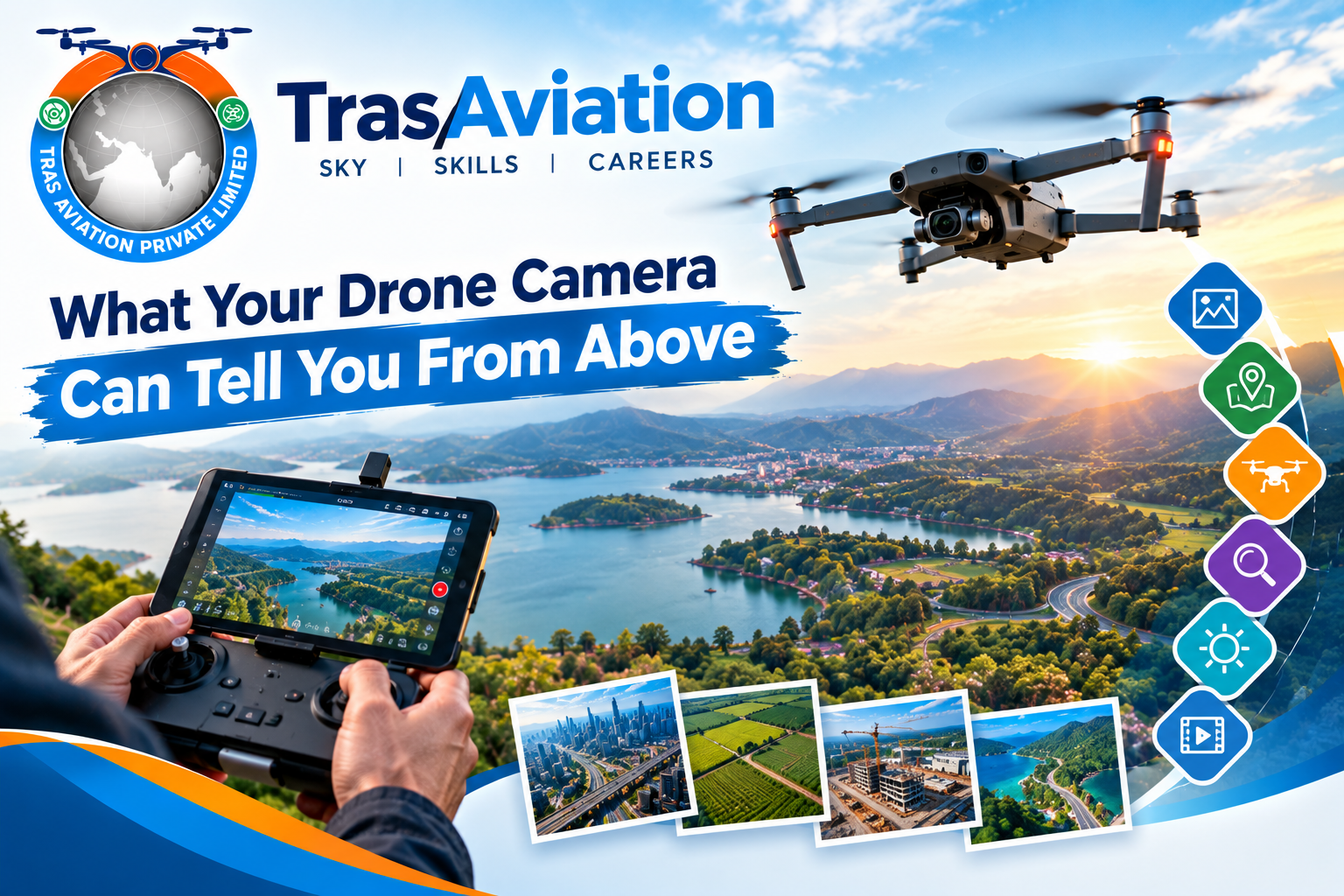
Another thing that a beginner will always find very interesting about drone training is the various applications of drones. You will learn about the numerous fields in which drones are currently being used, including:
- Aerial photography and videography
- Land surveying
- Mapping
- Farming
- Surveying and mapping of infrastructure
- Construction
- Industrial monitoring and reconnaissance
- Disaster management
With this knowledge, you can decide what to do with your drone after completing the training.
How Theoretical And Practical Sessions Fit Into The Overall Curriculum
A common misconception about drone training is that it only focuses on how to fly the drone. In reality, the theoretical and practical sessions complement each other.
Theoretical sessions provide the practical sessions with the necessary background, enabling the pilot to understand what they are actually doing.
For instance, the practical aspect of managing the battery may become very interesting when you already understand the basic theory of batteries. Similarly, the practical aspect of operating the remote controller can become very simple if you have already understood the theory behind the operation of the stick on the controller.
Developing Confidence In Flying A Drone
Confidence building is another very important aspect of drone training. Many beginners experience a lot of anxiety and stress when flying a drone for the first time. You may experience a lot of difficulties in understanding the remote controller. This is because the remote controller requires dexterity in its operation.
However, confidence building begins with practicing basic controls. At Tras Aviation, for instance, the confidence-building process is prioritized over advanced aspects of flying the drone.
Understanding The Overall Certification And Career Requirements
If you are considering a professional career as a drone pilot, then you will discover that drone training can be where your journey to greatness begins.
There are various Drone Technician Course in Gurgaon, developed based on different unique requirements. Beginner drone training is important, and you should understand the content of a particular course before investing in it.
Some of the aspects which should be considered when choosing drone training include:
- Practical training
- Theoretical knowledge
- Support and mentorship
- Equipment
- Curriculum
- Certification process, among others
What To Expect As A Beginner During A Drone Training Session?
As a beginner considering a career in the drone industry, you should expect to gain both theoretical and practical knowledge about drones.
Some of the aspects of drone training which you should expect to find during training include:
- Classroom sessions
- Discovery of drone components
- Safety briefings
- Practice on the remote controller
- Pre-flight inspection
- Supervised flying
- Basic problem-solving
- Flight planning and safety
- Questions and feedback from the trainer
The exact content of a drone training course will depend on the training organization and the course selected. However, a good drone training organization will always ensure that a beginner gains the necessary theoretical and practical knowledge about the drone.
Considerations When Selecting A Training Institute
As much as the course content is very important, it is always wise to look at the environment which will support your learning and development. You need to consider if the training organization offers practical sessions and what their overall approach to training is.
The instructor also plays a very important role in the whole process. A good training organization will offer a conducive learning environment and will take you through the process of acquiring knowledge, starting from the basic knowledge about the drone before moving on to more advanced applications of the drone.
If you are looking for the Best Drone Training Institute in India, then you should always look beyond the fancy names and try to understand what the training organization can offer you.
What To Do After Completing The Beginner Course?
Although completing the basic drone operation course marks the end of the beginner phase in your journey as a drone pilot, it is always advisable to continue learning in order to acquire more advanced knowledge about the drone.
Some of the topics which you can explore after completing the basic drone course include:
- Aerial photography
- Mapping and land surveying
- Drone maintenance
- Inspection
- Agriculture
- Surveying and mapping of infrastructure, among others
Final Thoughts
The drone training session covers more than just flying a drone. As a beginner, you will learn the different components which make up the drone. You will also learn how to operate the remote controller and how to operate the drone.
Safety and regulation are also emphasized extensively so that an individual can learn how to fly the drone professionally.
The most important thing about learning the art of flying a drone is to get the practical aspect of flying the drone. You should always learn how to fly the drone confidently and do everything in a step-by-step manner.
Once you have the basic knowledge about the drone, you can go ahead and explore the different aspects of the drone industry.
Tras Aviation can be a starting point for learners who want to understand the fundamentals of drone operation and develop their knowledge through structured learning and practical experience.

Related Posts