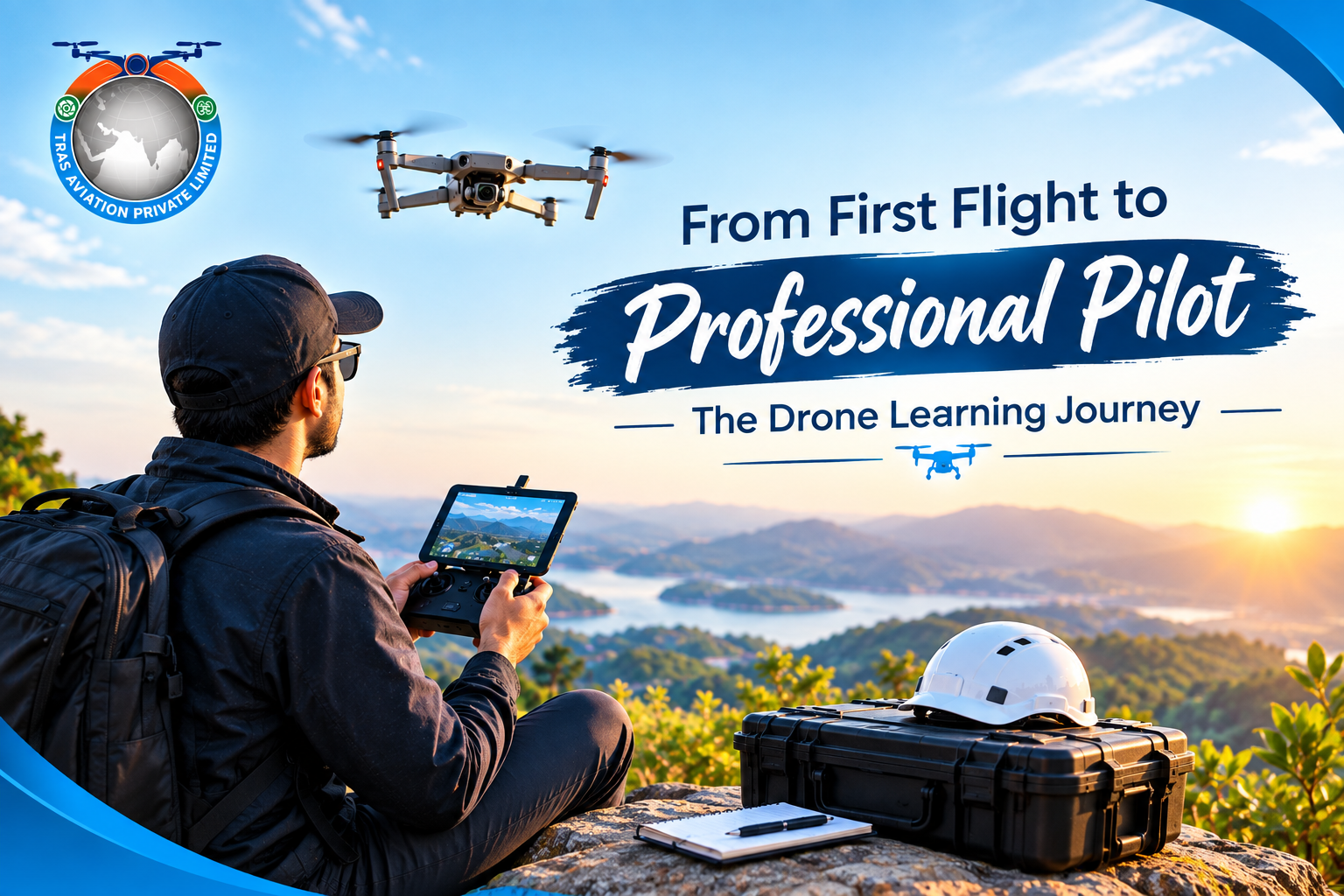
Drones have revolutionized the field of photography, survey, agriculture, mapping, inspection, and several other industries. The fun-filled activity of drone flying can be evolved into a professional career with the right skills and experience.
There is more to being a pro drone pilot than the art of flying — professional pilots must learn flight control, safety, rules and regulations, equipment, and application.
The path from first flight to a professional pilot offers a steep learning curve. However, with proper guidance, every amateur enthusiast can learn to fly drones with precision and become a pro.
Learning to Fly Drones: First Flight
The first flight of every drone beginner is filled with wonder. Learning to control the aircraft and bringing it back safely is the first step to mastering the art of flying.
New pilots should learn to be comfortable with the basics before attempting complicated aerial maneuvers. The controls, throttle, direction, altitude, and flight modes must be learned.
It is also vital for beginners to select a wide open space as a starting point. New pilots must know how the drone will react to different controls and weather conditions.
The first step would be to get familiar with the aircraft and its flying patterns.
From Controls to Aerial Maneuvers – The Basic Flight Skills
Newcomers must practice regularly to develop basic drone skills. Forward, backward, and lateral movements, turns, climbing, and landing must be practiced.
Aspiring pilots must also develop situational awareness at this level. Trees, buildings, powerlines, people, vehicles, and weather conditions can impact the flight.
The beginner’s learning curve benefits immensely from the help of an instructor. Structured modules and proper training can help develop the much-needed skills for drone flying.
Drone Safety and Rules Every Pro Must Know
Safety and rules of the road are an integral part of every pro drone pilot’s expertise. In addition to flying a drone, a pilot must be aware of airspace rules and limitations, visual line of sight, and stay alert to the surroundings at all times.
All of this prepares a pilot for commercial drone flying and develops habits for safe drone flying.
In this regard, DGCA Drone Pilot Training can prove to be an excellent addition to any amateur drone enthusiast looking to understand the professional drone world and learn to fly drones safely and legally in India.
Learning about drone regulations can also develop discipline that a beginner will need for a long-term career.
From Beginner to Pro – The Next Level of Drone Skills
As an amateur enthusiast progresses through the drone learning journey, new skills and responsibilities must be developed.
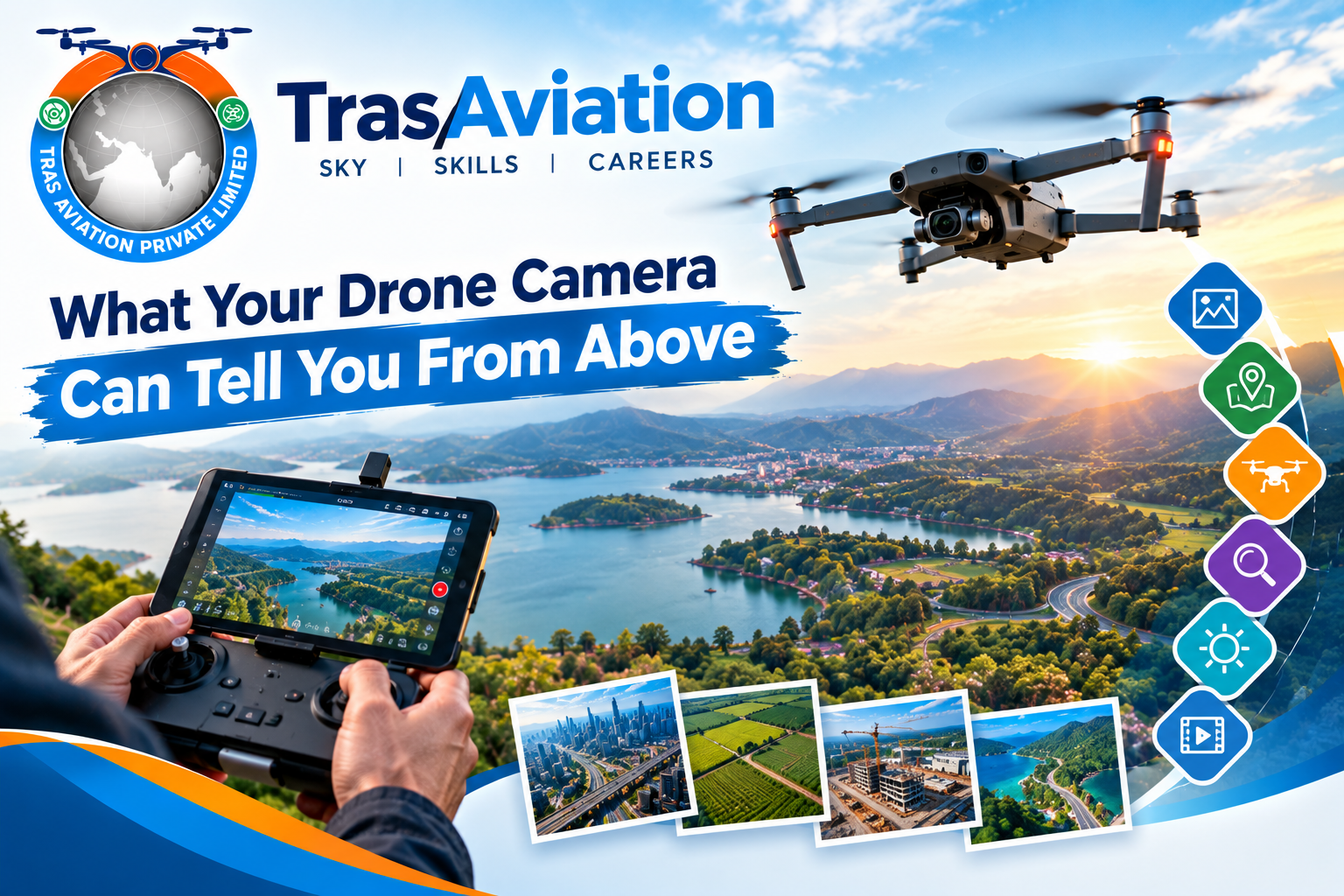
In addition to basic flying, a pro pilot must be able to apply the skills in real-world conditions. Aerial photography, survey, and mapping are a few drone applications that demand much more than simple flying.
Every drone application requires specific sets of skills to be developed by a pilot.
In this regard, learning to plan missions, troubleshoot, inspect equipment, and much more would be vital for the next level of skill development.
At this point, the choice of the right learning environment would be vital to continue the learning curve. Aspiring pilots and pro photographers alike can join Tras Aviation to learn the ropes of drone flying and develop the needed skills for a new career.
Drone Technology – The Pro Pilot Needs to Know
A professional pilot must have an eye for detail and an understanding of drone technology.
Understanding every part of the drone and how it contributes to the aircraft is essential for a pro photographer. A good comprehension of drone technology can greatly benefit the safety, performance, and application-specific skills of a pilot.
Being a pro photographer often means being able to troubleshoot and solve small problems during aerial missions without outside help.
The understanding of drone technology is also a vital skill for any individual who wants to pursue a career in drone repairing and maintenance.
Drone Assembly and Repair – The Extra Step
In addition to basic flying and photography, drone flying opens up a new door in drone assembling and repairing.
Flying drones means experimenting with the aircraft. Therefore, a deeper understanding of the technical aspects of the drone is necessary.
Drone repairing and learning new tech-savvy skills may prove extremely beneficial for those looking for a long-term career in the drone industry.
Drone Repair and Maintenance Courses in India offer the much-needed insight into the deeper workings of the aircraft.
A solid understanding of drone technology can also help a pro photographer during the troubleshooting and repairing process.
The Habits of Successful Drone Professionals
Anyone flying a drone for a living should have a well-developed set of habits for a safe and successful mission.
A pre-flight procedure should comprise equipment inspection and weather evaluation. During the flight, a pro pilot must always be on the alert, and post-flight, the equipment must be re-inspected.
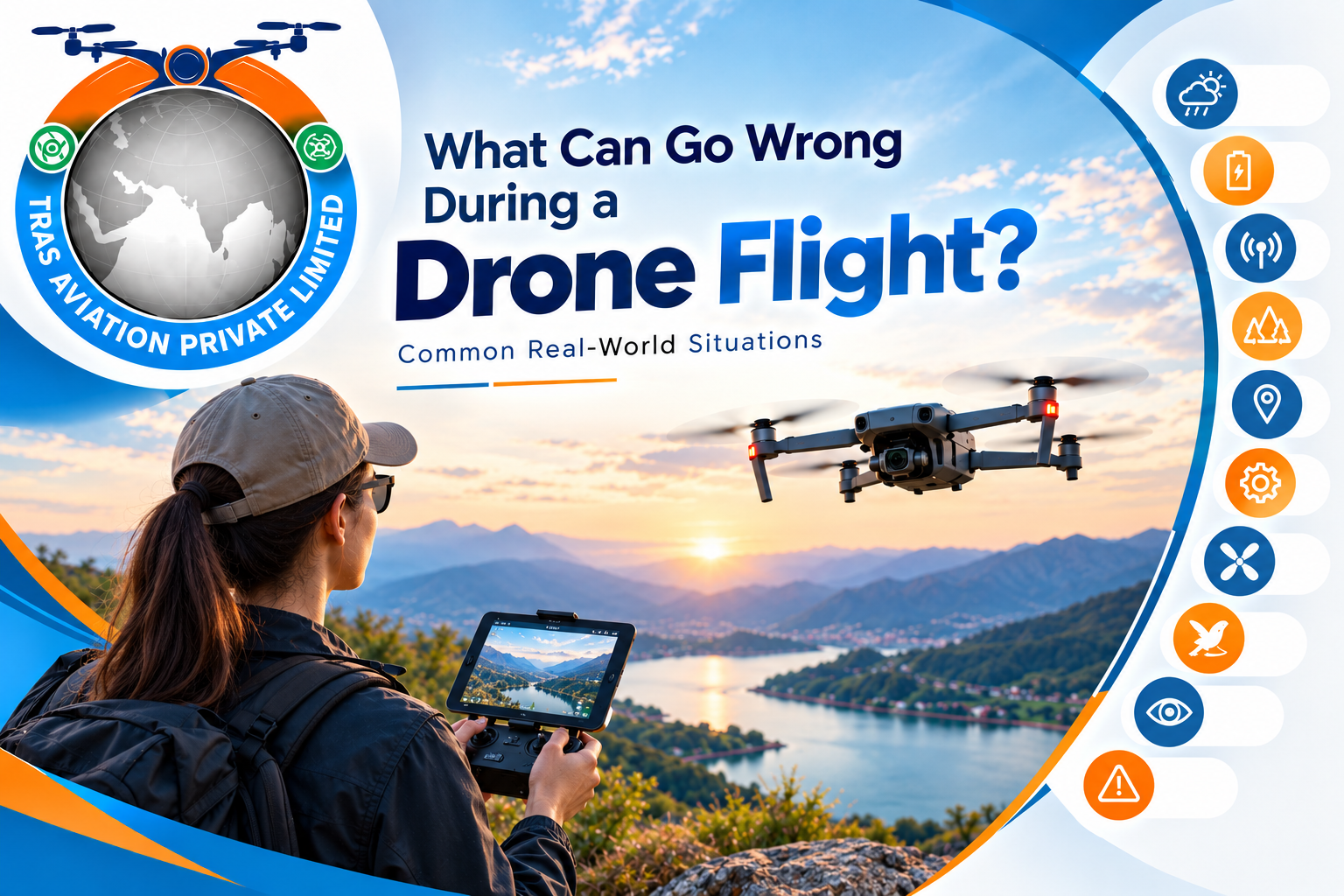
An aerial mission can be affected by adverse weather, technical or mechanical failures, signal loss, and obstacles.
Developing the habits of a pro pilot ensures that one can handle these emergencies with ease.
Learning to Fly Drones Requires Practical Exposure
There is no doubt that theoretical knowledge is vital to developing a set of well-rounded skills required to be a pro drone pilot.
However, learning drone flying practically provides deeper insight into the technical and visual aspects of the craft.
In addition, practical exposure helps in learning drone photography and builds up confidence and control.
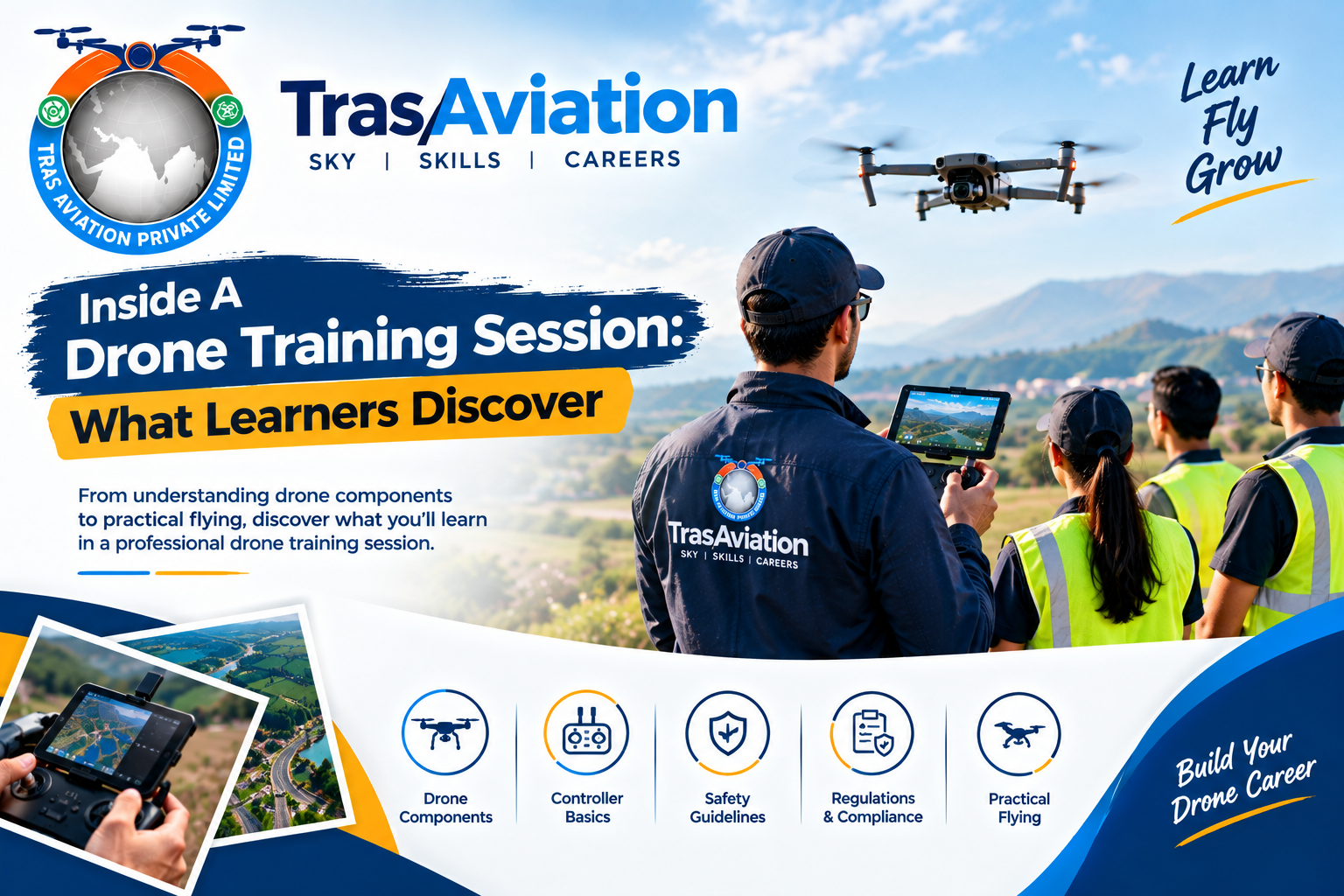
The practical learning curve also involves learning mission planning, equipment use, safety measures, and application-wise flying.
Aspiring photographers can join Tras Aviation to learn drone flying from the basics and develop the professional skills needed for a rewarding career.
The Right Drone Learning Journey for You
The drone learning journey for everyone starts at a different point. While some may have years of experience with flying drones, some may be completely new to the activity. Likewise, certain people have a preferred application for drone flying while others are looking for a comprehensive career path.
Therefore, the right learning journey would depend on an individual’s current skill level and the preferred drone application.
A budding aerial photographer would prefer a learning module focused on drone photography, while someone looking to make a career in drone repair and maintenance would prefer a different module.
One should keep the following considerations in mind when choosing the right learning environment:
- Learning objectives
- Amount of practical exposure
- Instructor’s experience
- Learning path structure
- Career opportunities
A structured learning path can significantly impact one’s drone learning journey by providing the right exposure, experience, and skills to become a pro.
For learners comparing their options, choosing the Drone Aeromodelling Course in Gurgaon can depend on factors such as course structure, practical exposure, instructor experience, equipment, and career objectives.
The Next Steps on the Drone Learning Journey
The drone learning journey is not a straight path. One who has just finished a training program must continue to practice and develop new skills. The learning process also involves delving deeper into the technical aspects of drone technology.
Flying drones further enables an aerial enthusiast to grasp the nuances of the drone application.
As a pro photographer, one can develop a wide range of skills including drone repair, maintenance, and troubleshooting, while also being able to inspect aerial equipment with deeper insight.
Another crucial aspect of the drone learning journey involves the use of drones in a commercial environment. The pro-level expertise of drone flying and the application-specific skills would also help in exploring the endless career opportunities in the drone industry.
Drone Career: Why the Future Looks Bright
With endless opportunities in various industries, drones have a bright future. Drone expertise would become a vital part of any career, enabling a person to explore countless drone applications.
From agricultural monitoring to aerial photography, drones offer a plethora of opportunities for drone enthusiasts. For someone just getting started with the drone learning journey, the first step is to get the right learning experience through proper exposure and skills.
A drone career is limitless; however, it does require a structured learning path, a comprehensive understanding of drone safety and regulations, and proper practical exposure to help develop an insight into the deeper technical aspects of drone technology.
With the learning path from Tras Aviation, drone enthusiasts can learn to fly drones with skill and precision while building a successful career.
Frequently Asked Questions (FAQ)
1. How long does it take to become a professional drone pilot?
The learning process of drone flying depends on the type of course and the practical exposure received by a beginner. The first flight requires much practice to build endurance and confidence.
2. Is drone training necessary for a professional pilot?
Learning drone flying helps the student develop basic flight control and safety skills. They also learn the rules and regulations of drone flying, equipment, and application.
3. What should I learn before flying a drone professionally?
A professional learner should be aware of the basic controls, flight planning, safety procedures, regulations, battery management, equipment inspection, and emergency procedures.
4. Can beginners learn to fly drones?
Beginners can build flight skills through basic drone training. Simple flight control should be practiced first before attempting complicated aerial maneuvers.
5. What career opportunities are available after drone training?
Photography, surveying, mapping, agriculture, inspection, and other fields offer great drone career opportunities. Any type of drone operation depends on a person’s expertise.
6. Why is practical drone training important?
Practical training allows students to apply the theoretical concepts in a real-world environment. This helps them develop flight control skills, confidence, and a deeper understanding of the application of drone flying.
7. Can I learn drone repair and maintenance along with flying?
Learning drone repair and maintenance can assist a student in developing a deeper understanding of the technical aspects of drone flying. It also provides knowledge of equipment inspection.
8. How do I choose a drone training institute?
Choosing the right institute depends on the course structure, practical training, and the expertise of the instructor. In addition, one should also consider equipment and safety procedures offered by the learning institute.
9. Can drone training help me to start a career in the drone industry?
Drone training provides the basic knowledge and skills needed for any drone application. However, to develop a long-term career in the drone industry, a thorough understanding of the technical aspects and practical exposure is vital.
10. What is the first step in starting a drone learning journey?
The first step in a drone learning journey is identifying one’s objectives and choosing the right learning institution. One can then learn to develop basic flight skills, safety measures, and practical insights before exploring the various applications of drone flying.

Related Posts